Polk County property tax is a major source of revenue for local government services across the county. Property owners pay this tax each year based on the assessed value of their land and buildings. The system forms part of the county tax structure used across Iowa for local property taxation. These funds help support public schools, maintain roads, and operate fire and police departments. Residents benefit from safer communities and well-maintained infrastructure. Clear Polk County tax information helps property owners understand how their contributions support daily services.
Polk County property tax works through a structured property valuation system managed by the Polk County Assessor’s Office. The office reviews real estate data and estimates market value for each property parcel. This value becomes the base used to calculate property tax Polk County Iowa every year. Revenue from real estate taxation supports education, transportation projects, and public safety services. Many local departments rely on these funds to operate and maintain facilities. The system connects property value with the cost of essential county services.
What Is Property Taxes in Polk County
Polk County Property Tax is a yearly tax charged on real estate such as homes, land, and commercial buildings within the county. The collected revenue supports schools, road maintenance, emergency services, and other local government programs. Polk County Property Tax forms a major part of the local funding system used in Iowa. Property owners pay taxes based on the assessed value of their real estate, which is determined by the Polk County Assessor through the county’s property valuation process. This system of county property taxation creates a steady stream of local government revenue used for public services and community development. In property tax Polk County Iowa, each property receives an assessed value through the county’s property valuation system. Local tax rates are then applied to calculate the total tax amount. These property ownership taxes support services used by residents every day.
What Property Taxes Fund
Polk County Property Tax revenue supports many public programs that keep the county running smoothly. Local governments depend on this funding to operate essential services and maintain public facilities. Through this system of municipal tax funding, property owners contribute to services used by the entire community. Schools, transportation networks, and safety departments rely on this revenue every year. The tax structure spreads funds across several agencies that manage daily operations in Polk County.
Major services funded through municipal tax funding include:
- Public schools and education programs
- Road repairs and transportation infrastructure
- Police, fire, and emergency response services
- Public health and safety programs
- Libraries, parks, and community centers
Why Property Assessments Are Necessary
Property assessments determine the taxable value of each property within the county. Accurate valuations keep the county property taxation system fair for all property owners. Properties with higher market value contribute a larger share of taxes. Regular assessments reflect changes in real estate prices and property improvements. This process helps maintain balance in the local tax system and supports stable local government revenue. The Polk County Assessor’s Office evaluates property details and maintains official records used for taxation.
Key factors reviewed during property assessment include:
- Property location and neighborhood market trends
- Land size and property classification
- Building condition and structural improvements
- Property use such as residential, agricultural, or commercial
How Polk County Collects Property Tax Revenue
The property tax Polk County Iowa system involves several government offices that manage valuation, billing, and regulation. Each office performs a specific role that keeps the tax system organized and transparent. Property values are set through assessments, then tax bills are issued to property owners. After payments are collected, funds are distributed to local agencies that provide public services. This process maintains a stable flow of municipal tax funding across the county.
Main offices involved in property tax collection include:
| Office | Role in the Property Tax System |
|---|---|
| Polk County Assessor’s Office | Determines property value and maintains assessment records |
| Polk County Treasurer | Sends tax bills and collects property tax payments |
| Iowa Department of Revenue | Oversees statewide property tax rules and valuation standards |
Search Polk County Property Tax Records
Property tax records Polk County help people review official details connected to real estate within the county. These records are stored in the county’s property tax database and can be searched through online systems maintained by the Polk County Assessor’s Office. The system allows users to perform a property tax lookup using details such as the property owner’s name, street address, or parcel number. Many residents check tax records before buying property or reviewing their own tax obligations. Real estate professionals, lenders, and legal researchers rely on this data for accurate tax record search results. Public tax records help maintain transparency in local government and provide reliable information about property taxation across the county.
Why People Search Property Tax Records
People often search parcel tax records to confirm property ownership, review tax assessments, or verify property details before making financial decisions. Homebuyers frequently check records before purchasing a home. Property owners review their records to confirm tax amounts or track changes in assessed value. These records can also help users identify property boundaries, check valuation history, or verify property transfers recorded by the county. Reliable Polk County tax information allows users to make informed decisions regarding real estate investments, tax payments, and property ownership research.
Information Available in Property Tax Records
The property tax database maintained by the county includes detailed information about each parcel. When users complete a property tax lookup, they can review several important details related to the property.
Users can typically find:
- Property owner name listed in official county records
- Parcel number used for property identification
- Property tax amount charged for the tax year
- Assessed property value determined by the county assessor
- Payment history showing previous tax payments or balances
Polk County Property Tax Lookup URL
The Polk County Property Tax Lookup Tool allows users to quickly search property tax records Polk County using the official county property database. Users can search by owner name, property address, or parcel number to view accurate Polk County tax information. The property tax lookup system is provided by the Polk County Assessor’s Office. This online property tax search tool connects users to the county’s public property tax database, where real estate records are stored and updated.
Official Polk County property search page:https://www.polkia.org/Property_Search.html
Key Functions of the Property Tax Search URL
The property tax search tool allows users to locate records using different search options. These options help users find property information even if they only know limited details about the property.
Users can search by:
- Property Owner Name – Find all parcels owned by a specific person or business.
- Parcel Number – Use the unique property ID for the most accurate search.
- Property Address – Search by house number and street name to locate a property.
How to Use the Property Tax Lookup URL
Follow these simple steps to search property tax records Polk County through the official tax database search system.
Open the Official Property Search Page
Go to the Polk County Assessor property search portal:
https://www.polkia.org/Property_Search.html
Choose a Search Method
Select one of the available search options:
- Owner Name
- Property Address
- Parcel Number
Enter the Property Details
Type the owner name, street address, or parcel identification number into the search field.
Click the Search Button
The system will display matching parcel results from the county database.
Open the Parcel Record
Click on the correct property result to view detailed information such as:
- property owner name
- parcel identification number
- assessed property value
- property tax amount
- tax payment history
How the Polk County Property Tax System Works
The property tax Polk County Iowa system calculates taxes based on the assessed value of real estate. This assessment tax system follows a structured process that includes property valuation, assessment calculation, and applying local tax rates. Property taxes support many public services across the county. The local assessment tax system determines how much each property owner contributes based on property value. This process follows state rules set by the Iowa Department of Revenue and is carried out locally by the Polk County Assessor’s Office. The local taxation structure spreads property tax revenue across cities, school districts, and county departments. Each agency receives a portion of the collected funds. The system keeps taxation consistent and transparent for property owners in Polk County.
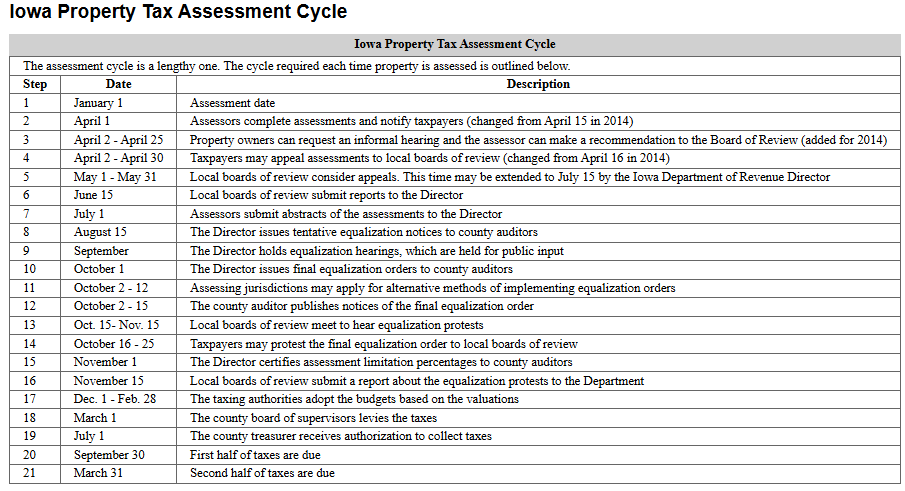
Assessment Cycle in Polk County
The property valuation process follows a regular assessment cycle. During this cycle, the assessor reviews real estate values across the county to keep property assessments aligned with market conditions. Assessments may change if property values increase, decrease, or if improvements are made to the property. For example, building additions, renovations, or new construction may increase the assessed value. The tax assessment procedure helps maintain fairness across the county. Properties with similar market values are assessed at similar levels. This keeps the county tax calculation balanced between different property owners.
Role of the County Assessor
The Polk County Assessor’s Office manages the valuation of real estate and maintains official property records. The assessor reviews property characteristics, local sales data, and market trends when determining value.
The assessor’s responsibilities include:
- Maintaining property ownership records
- Reviewing market sales data
- Updating property characteristics
- Determining assessed property values
Steps in the Polk County Property Tax Calculation
The property tax Polk County Iowa system follows several structured steps before the final tax bill is issued.
Property Valuation
The assessor estimates the market value of the property using the property valuation process. This value reflects the estimated price the property could sell for in the local real estate market.
Assessment Calculation
The assessed value is calculated according to Iowa’s tax assessment procedure. Different property classifications, such as residential or commercial, may follow slightly different formulas.
Tax Rate Applied
Local taxing authorities apply their approved tax rates. These rates fund services such as schools, infrastructure projects, and emergency services.
Final Tax Bill Issued
After completing the county tax calculation, the final property tax bill is issued to the property owner. Tax statements are typically distributed through the county treasurer’s office. This structured local taxation structure ensures that property taxes are calculated consistently and that public services across Polk County receive stable funding.
Polk County Property Tax Assessment Process
The Polk County property tax assessment process determines the taxable property value of real estate based on market conditions and property characteristics. This system uses property valuation methods and official county records to calculate the assessed property value used for taxation. Property owners in Polk County pay taxes based on a structured valuation process managed by the Polk County Assessor’s Office. The office maintains county assessor records and updates property assessment data for each parcel in the county. These records track property size, improvements, ownership details, and valuation history. The goal of the assessment system is to maintain fairness across the local tax structure. Properties with similar characteristics and market prices should have similar taxable property values. This approach helps keep property taxation balanced for homeowners, businesses, and landowners across the county.
Property Valuation
The first step in the assessment process is property valuation, where the assessor estimates the fair market value of a property. Fair market value represents the price a property would likely sell for in the open real estate market.
To determine value, assessors review several factors within the property valuation system, including:
- Recent property sales in the area
- Property size and land area
- Building condition and improvements
- Property location and neighborhood trends
These details are stored in official property assessment data and become part of the county’s permanent record system. Accurate valuation helps maintain consistency across the tax base and supports transparent taxation practices.
Market Value vs Assessed Value
Many property owners confuse market value with assessed property value, though the two serve different purposes in the tax system.
- Market value reflects the estimated selling price of the property under normal market conditions. It is based on comparable sales and local housing trends.
- Assessed property value, on the other hand, is the value used for tax calculations. This figure may be adjusted through state assessment formulas or tax rules.
A simple comparison helps explain the difference:
| Value Type | Meaning |
|---|---|
| Fair Market Value | Estimated price the property could sell for |
| Assessed Property Value | Value used by the county for tax calculations |
Assessment Frequency
Property assessments follow a regular cycle to keep values aligned with current market conditions. During this cycle, the assessor reviews property reassessment data and updates records when property values change.
Reassessments may occur for several reasons:
- Market value changes in the neighborhood
- Property improvements such as additions or renovations
- Land subdivision or structural changes
Property Classification
Another key part of the assessment system is taxable property classification. Each parcel is placed into a category based on how the property is used.
Common taxable property classifications include:
- Residential property
- Commercial property
- Agricultural land
- Industrial property
Polk County Property Tax Rates
The county tax rate determines how much property tax a property owner must pay based on the assessed value of their property. In property tax rate Polk County, local government agencies apply tax levies that fund schools, city services, and county operations. Property taxes in Polk County follow a structured local taxation formula used throughout the state. These rates form part of the wider Iowa property tax rates system supervised by the Iowa Department of Revenue. The tax rate is not set by a single office. Instead, several local authorities combine their tax levy rate to form the final local tax percentage applied to each property. This system allows different public services to receive funding from property taxes. Each agency sets its levy based on budget needs and approved spending plans.
What Determines the County Tax Rate
The final county tax rate is created by combining several individual tax levies from local government agencies. Each authority determines the amount of revenue needed to operate services during the fiscal year.
Key entities that influence the property tax rate Polk County include:
- County government departments
- City or municipal governments
- Public school districts
- Community colleges and special districts
Each entity submits a tax levy rate that becomes part of the total property tax calculation. These levies are then combined to create the total local tax percentage applied to taxable property values.
Local Government Levies
County governments collect property taxes to fund essential public services. These services support daily operations and long-term development across the county.
Typical services funded through county levies include:
- Public safety departments such as sheriff and emergency services
- Road maintenance and infrastructure projects
- Health and community programs
- County administrative operations
School District Taxes
School districts receive a significant portion of property tax revenue. Education funding often represents one of the largest components of the property tax rate Polk County.
School district levies help pay for:
- Teacher salaries and school staff
- Classroom equipment and technology
- Building maintenance and improvements
- Transportation and student services
Municipal Taxes
Cities within the county apply their own municipal property tax levies. These municipal taxes support services that operate directly within city boundaries.
Municipal tax revenue often funds:
- Police and fire departments
- City parks and recreation programs
- Local road repairs and street maintenance
- Utility infrastructure and planning
How Tax Rates Are Calculated
Property tax bills follow a simple local taxation formula that combines the assessed value with the total tax rate.
Formula:
Tax Bill = Assessed Value × Local Tax Rate
In this formula:
- Assessed Value is the taxable value determined by the county assessor.
- Local Tax Rate represents the combined millage rate from all taxing authorities.
For example, if a property has an assessed value of $200,000 and the combined county tax rate equals 1.5%, the estimated tax bill would be $3,000.
Search Polk County Property Tax Records
Property tax records Polk County provide public details about real estate ownership, tax assessments, and payment history. Residents, buyers, and real estate professionals often review Polk County tax information to verify property search property details or check tax obligations. These records are stored in the public property tax database maintained by the Polk County Assessor’s Office in Polk County. Users can perform a property tax lookup through the county’s online tax record search system.
Users can access the official property search URL here: https://www.polkia.org/Property_Search.html
Why People Search Property Tax Records
People search property tax records Polk County for many practical reasons. Property buyers often check tax records before purchasing real estate. Property owners may review tax information to confirm assessments or verify tax amounts. Access to reliable Polk County tax information helps users confirm ownership details, understand property values, and research real estate trends across the county.
Information Available in Property Tax Records
The county property tax database contains detailed information about every recorded parcel. When users perform a property tax lookup, the system displays key property and tax details.
Users can find:
- Property owner name listed in official records
- Parcel number used as the property identifier
- Property tax amount charged for the tax year
- Assessed value determined by the county assessor
- Payment history showing previous tax payments and balances
How to Pay Polk County Property Tax
Property owners can complete a Polk County property tax payment through online services, by mail, or by visiting the county office in person. These property tax payment options allow residents to choose the most convenient method for paying their tax bill. Property tax payments for properties in Polk County are managed by the Polk County Treasurer’s Office. This office collects payments, processes property tax bill payment records, and distributes revenue to local agencies such as school districts and city governments. Before making a payment, property owners should review their tax statement to confirm the amount due and the payment deadline. The county offers multiple tax payment methods so residents can complete payments safely and on time.
Online Payment
The most convenient way to complete a property tax payment is through the county’s online system. The online tax payment portal allows property owners to pay their tax bill from any location using a secure payment platform. To pay online, property owners typically need the parcel number or property information from their tax statement. After entering the details, users can view the current balance and submit payment electronically.
Online payment provides several benefits:
- Quick confirmation of property tax bill payment
- Access to payment records and receipts
- Ability to pay anytime without visiting county offices
Mail Payment
Property owners can submit their Polk County property tax payment by mailing a check or money order to the county treasurer’s office. The payment should include the tax stub from the bill statement to help the office apply the payment to the correct parcel. When using mail payment, property owners should send the payment early to allow time for postal delivery and processing.
Important points for mailed payments include:
- Include the property tax statement or parcel number
- Use the correct mailing address provided on the tax bill
- Allow several days for delivery and processing
In-Person Payment
Property owners may also complete their property tax payment by visiting the Polk County Treasurer’s Office. In-person payments allow residents to speak directly with staff and receive immediate confirmation of payment. Many taxpayers choose this option when they have questions about their bill or need help verifying payment details.
Accepted payment methods may include:
- Cash
- Check or money order
- Debit or credit card (availability may vary)
Payment details to remember:
- Property taxes are usually paid in installments during the tax year
- Payments must be completed before the official deadline to avoid penalties
Property Tax Deadlines in Polk County
The property tax payment deadline in Polk County follows a set annual schedule with two main due dates. Paying on time helps property owners avoid late fees and added charges. Property tax billing and collection in Polk County is handled by the Polk County Treasurer’s Office. Each year, property owners receive a tax statement that outlines the full property tax schedule, installment options, and final payment dates.
Tax Billing Period
The county issues property tax bills once each year. These bills reflect the assessed value of the property and the approved local tax rates for that tax year. The statement shows the total tax owed along with installment choices. Most property owners review their bill as soon as it arrives to plan payments around the listed tax billing timeline.
Property Tax Due Dates
Polk County allows property taxes to be paid in two installments. Paying by the listed tax due dates helps keep accounts in good standing.
Typical deadlines include:
- First installment: Due in September
- Second installment: Due in March
Penalties for Late Payments
Missing a property tax payment deadline can result in added charges. Late payments may accrue interest, penalties, or collection fees based on county rules.
Late payment impacts may include:
- Interest added to unpaid balances
- Penalty charges applied monthly
- Collection action on long-overdue accounts
Property Tax Exemptions and Relief Programs
Property tax exemptions and relief programs help reduce the tax burden for eligible property owners in Polk County. These programs offer credits or reductions based on residency, age, military service, or income qualifications. In Polk County, several property tax reduction programs are available through state and county agencies. These programs support homeowners by lowering taxable value or providing direct credits on property tax bills. Applications are usually reviewed by the county assessor and administered under state tax rules.
Homestead Credit
The homestead exemption, commonly called the Homestead Credit, applies to owner-occupied residential properties. This credit reduces the taxable value of a qualifying home, which lowers the annual property tax amount. To qualify, the property must be the owner’s primary residence. The homeowner must file an application with the county assessor, usually by a set annual deadline. Once approved, the credit remains active unless ownership or residency changes.
Homestead Credit benefits include:
- Reduced taxable value on the primary residence
- Automatic continuation after approval
- Lower annual property tax bills
Military Tax Benefits
Military-related property tax exemptions support eligible veterans and active-duty service members. These benefits recognize military service by reducing the taxable value of qualifying properties. Applicants must provide proof of service or discharge status. Some programs may extend benefits to surviving spouses under specific conditions.
Military tax benefits may include:
- Taxable value reduction for qualifying veterans
- Continued benefits for eligible surviving spouses
- Long-term tax relief for service-related eligibility
Senior Citizen Programs
Senior citizen tax relief programs help older homeowners manage property tax costs on fixed incomes. Eligibility often depends on age, income level, and property use as a primary residence. Programs may offer tax credits, deferrals, or partial exemptions. Applications typically require income documentation and annual renewal.
Senior relief options may include:
- Income-based tax credits
- Property tax deferral options
- Reduced tax obligations for qualifying seniors
Polk County Property Tax Bill Details
A property tax bill explains how much tax a property owner owes and how that amount was calculated. Reviewing the Polk County tax statement helps property owners confirm values, charges, and payment details. Property tax bills in Polk County are issued by the Polk County Treasurer’s Office. Each statement lists property details, tax calculations, and payment instructions so owners can manage their tax obligations accurately.
Assessed Value
The assessed value shows the taxable value assigned to the property for the tax year. This figure is based on county assessment records and reflects the value used to calculate taxes. Property owners should review this section closely to confirm that property details such as classification and size are accurate. Errors in assessed value can affect the entire tax bill breakdown.
Tax Rate
The tax rate represents the combined local tax percentages applied to the assessed value. These rates support local services and form a major part of the property tax components listed on the bill. Multiple rates may appear, reflecting charges from school districts, cities, and other local authorities. Together, they determine the final tax calculation.
Total Tax Amount
The total tax amount shows the full balance due for the tax year. This figure combines the assessed value and applicable tax rates to produce the final charge. Any credits or local tax charges adjustments are reflected here, allowing property owners to see the net amount owed.
Payment Instructions
The payment section explains how and when to pay the property tax bill. It outlines accepted payment methods, installment options, and due dates. Property owners should follow these instructions carefully to avoid late fees and ensure timely processing of their Polk County tax statement.
Frequently Asked Questions
This section answers common questions using accurate Polk County tax information for property owners and buyers. Each response explains key points clearly to support informed property tax decisions. Property tax administration in Polk County follows county and state rules designed to support schools, infrastructure, and public services. These FAQs address frequent concerns related to assessments, payments, and review options.
How do I check Polk County property tax?
Property owners can review their tax details by using the official online property search system provided by the Polk County Assessor’s Office. This system allows users to search by owner name, property address, or parcel number. Once a property is located, the record displays assessed value, ownership details, and tax-related data. The information is updated regularly to reflect current records. Many residents use this tool to confirm annual tax amounts before making payments. It is also helpful for buyers researching a property before purchase. This online access provides reliable Polk County tax information without visiting an office.
What determines property tax in Polk County?
Property tax amounts depend on several factors that work together within the county assessment system. The assessed value of the property is the starting point for tax calculation. Local tax rates approved by school districts, cities, and other taxing authorities are then applied. Property classification, such as residential or commercial, also affects the final amount. These combined elements form the basis of property tax charges each year. Changes in local budgets can influence tax rates over time. This structure explains why similar properties may have different tax amounts. Many property tax questions relate directly to these valuation and rate factors.
How often are properties reassessed?
Properties in Polk County follow a scheduled reassessment cycle to keep values aligned with market conditions. Reassessment helps maintain fairness across neighborhoods and property types. In some cases, reassessment may occur outside the regular cycle. Property improvements, additions, or changes in use can trigger a new valuation. Updated assessments reflect changes that could affect taxable value. Property owners receive notice when reassessment affects their property. This process supports consistent tax distribution across the county. Many tax assessment FAQs relate to how and when reassessments take place.
Can I appeal my property tax assessment?
Property owners have the right to appeal if they believe an assessment does not reflect fair value. Appeals are reviewed by the Polk County Board of Review. The appeal process allows owners to present evidence such as recent sales data or appraisal reports. Appeals must be filed within the county’s designated timeframe. A review hearing may be scheduled if additional review is required. Decisions are issued after evaluating submitted information. This option provides structured property tax help for disputed assessments. Many owners use appeals to correct errors or update valuation concerns.
Who can help with Polk County property tax questions?
Several county offices provide support for property tax-related concerns. The county assessor assists with questions about assessed value and property classification. The county treasurer helps with billing, payments, and payment status inquiries. These offices work together to provide clear and accurate Polk County tax information. Property owners can contact them by phone, online tools, or office visits. Staff members explain procedures and clarify records when needed. This support helps reduce confusion about tax obligations. Reliable property tax help is available throughout the year for county residents.