Polk County Assessor plays a vital role in ensuring fair property taxation across Polk County, Iowa. The office evaluates homes, commercial buildings, and land to determine accurate property values. These assessments impact local taxes, community services, and real estate decisions. Residents and investors rely on the Polk County Iowa assessor for reliable property valuation and clear guidance on assessment processes. This office also maintains up-to-date records to keep property information accurate and transparent.
Property Records Search
Accurate property assessments are essential for homeowners, businesses, and investors to avoid overpayment and disputes. The county property assessment office provides tools, resources, and assistance to help property owners understand their valuations. This page highlights the office’s services, search tools, tax information, appeals process, and office location. By using the information from the Polk County Assessor, property owners can stay informed and make confident decisions regarding their real estate.

What is the Role of the Polk County Assessor
The Polk County Assessor determines property values and ensures fair property tax assessments throughout the county. This role has a direct impact on local tax revenue and helps maintain an equitable system for all property owners. Accurate assessments ensure that taxes reflect real market conditions while supporting community services.
Key Duties of the Polk County Assessor
Property valuation is at the heart of the assessor’s work. Assessors review residential, commercial, and agricultural properties to assign fair market values. This process involves on-site inspections, market comparisons, and updated records. Accurate property appraisal ensures that every property owner contributes fairly to local taxes.
The Polk County tax assessor handles several responsibilities that are critical to property owners and the county:
- Property Valuation: Determining accurate market values for all property types.
- Tax Assessment: Using property values to calculate fair property taxes.
- Maintaining Fair Market Value: Updating property records to prevent overvaluation or undervaluation.
- Exemptions & Adjustments: Applying homestead, agricultural, or other legal exemptions.
- Public Records Access: Providing residents with easy access to valuation information.
These duties maintain transparency and trust between the assessor’s office and the community. Residents can check property records, understand tax calculations, and ensure assessments are applied correctly.
Legal Authority and Framework in Iowa
The Polk County Assessor operates under Iowa state law, which establishes the standards and procedures for property assessments. State regulations guide how properties are appraised, how exemptions are applied, and how tax disputes are handled. This legal framework ensures uniformity and fairness across all property types in the county.
Assessors must follow precise appraisal methods and regularly update valuations. Their authority extends to:
- Conducting property inspections and appraisals.
- Applying legal exemptions and adjustments.
- Maintaining accurate assessment records.
- Responding to public inquiries and concerns.
Impact on Property Taxes and Community Revenue
The assessor’s evaluations directly influence property taxes, which fund schools, roads, emergency services, and other community programs. Fair and accurate assessments prevent budget shortfalls and distribute the tax burden evenly among property owners. Overvalued properties can create financial strain for owners, while undervalued properties reduce revenue for public services. Accurate property assessments ensure the community receives adequate funding for essential programs without unfairly burdening any property owner.
- Ensures equitable distribution of tax responsibilities.
- Supports local government budgeting and planning.
- Maintains community trust in property assessments.
- Helps avoid legal disputes over property valuations.
How to Search Property Records in Polk County
Searching property records in Polk County, Iowa helps residents, buyers, and real estate professionals verify parcel ownership, assessed values, property details, and tax information. The official Polk County Assessor website offers tools that let users search by address, owner, or parcel number to view real assessment data maintained by county government. Accurate property record lookup helps with planning real estate transactions, confirming legal details, preparing tax appeals, and understanding valuation history. Below is a clear, step‑by‑step guide to find and interpret official records.
Open the Official Property Search Page
- Visit the Polk County Assessor’s official property search page here: https://www.assess.co.polk.ia.us
- This site is maintained by Polk County government and contains the most current parcel and assessment data available publicly.
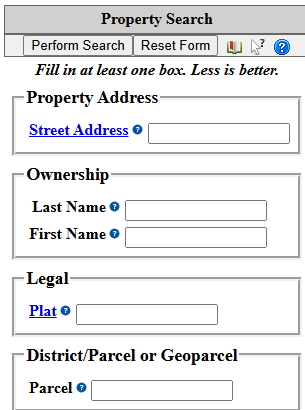
You may see a form with fields labeled Property Address, Ownership Last Name, Parcel, and optional filters.
Choose Your Search Input
You can search property records using any one or a combination of these details:
- Street Address: Enter the house number and street name (e.g., 1431 E 32nd St).
- Owner Name: Type last name then first name (e.g., Smith John).
- Parcel Number: Use the district/parcel or geoparcel code exactly as it appears on your tax bill or deed.
These fields help the system retrieve official assessment records quickly.
Tips when entering search data:
- Use exact spellings when possible.
- If unsure, try entering only part of the address or the last name first to generate matches.
- The parcel field accepts formats like 090/06110‑001‑000 or 09006110001000.
Submit the Search & Review Results
Once you enter your search terms:
- Click the search or Submit button on the form.
- A list of matching parcels appears, if any exist.
- Select the correct property from the results list to view details.
On the property detail page, you will find:
- Assessed property value (land and buildings).
- Property classification (residential, commercial, etc.).
- Ownership name and mailing address.
- Legal description and parcel identifiers.
- Any exemptions or credits applied.
Print, Download, or Record Key Information
After you find the correct parcel:
- Print the property detail page for your records.
- Copy or screenshot important fields such as assessed value and ownership.
- Contact the assessor’s office if you need certified copies or assistance with interpretation.
Services Provided by Polk County Assessor Office
The Polk County Iowa assessor office manages property assessment services that support fair taxation and accurate public records. Through the Polk County Assessor’s Office, property owners, buyers, and businesses can review parcel assessment records, check property values, and request official documents. This county property assessment office maintains a large property database that includes residential, commercial, and agricultural parcels across Polk County. The office also provides online tools, tax exemption information, and procedures for assessment appeals to maintain transparency and fairness in local taxation.
Residential, Commercial, and Agricultural Property Assessments
The Polk County Iowa assessor evaluates different property types to determine accurate market values used for tax calculations. These assessments follow standards set by Iowa Department of Revenue to maintain consistency across counties. Assessors review property characteristics, building features, land size, and comparable sales data during the valuation process. Regular updates help keep property values aligned with local real estate trends.
Common property categories assessed include:
- Residential properties: houses, townhomes, and condominiums
- Commercial properties: retail buildings, offices, warehouses
- Agricultural land: farmland, rural property, and agricultural structures
- Industrial properties: manufacturing facilities and production sites
Parcel Lookup Tools and Online Property Databases
The assessor office provides digital tools that allow residents to perform property data lookup and view parcel assessment records online. These tools help users find property details quickly without visiting the county office in person. Through the official property search system managed by the Polk County Assessor’s Office, users can access information such as:
- Parcel numbers and property identification details
- Current assessed property value
- Land and building characteristics
- Ownership records and mailing addresses
- Property classification and zoning data
Tax Exemptions, Reporting, and Documentation
Another important service provided by the county property assessment office is administering property tax exemptions and credits. Eligible property owners may qualify for tax relief programs recognized by the state of Iowa.
Examples of common exemptions include:
- Homestead tax credit for primary residences
- Military service tax exemption for qualifying veterans
- Disabled veteran benefits for eligible service members
- Family farm tax credit for agricultural properties
Property owners must submit proper documentation to apply for these programs. The assessor’s office reviews applications and updates parcel records once exemptions are approved.
Requesting Official Property Records
Residents can request public property records directly from the Polk County assessor office. These records are often needed for real estate transactions, legal verification, or tax appeals.
Common requests include:
- Certified parcel assessment records
- Property valuation history
- Property classification documentation
- Assessment notices and reports
How Property Assessment Works in Polk County
Property assessment in Polk County determines the taxable value of land and buildings based on current real estate market conditions. The Polk County Assessor’s Office evaluates properties to estimate fair market value, which becomes the basis for property tax calculations across the county. This process ensures consistency and fairness for property owners throughout Polk County. Assessment data is maintained in parcel records and updated periodically to reflect construction changes, property sales, and broader market trends. Accurate assessments help local governments distribute tax responsibilities fairly and maintain reliable funding for public services.
Property Assessment Methods Used by the Assessor
The Polk County assessor applies several professional property appraisal methods to estimate real estate values. These approaches rely on market analysis and statistical models that evaluate many properties at once. Instead of reviewing each home individually every year, assessors use mass appraisal techniques that analyze large groups of similar properties. These valuation systems consider land size, property features, neighborhood trends, and recent sales activity. By reviewing comparable properties within the same area, the assessor can estimate a realistic market price for each parcel. This process helps maintain consistent property assessment results across thousands of properties in the county.
Common real estate valuation methods include:
- Sales comparison approach: compares recent property sales in the same neighborhood.
- Cost approach: estimates the cost to rebuild the property minus depreciation.
- Income approach: used mainly for rental or commercial property based on income potential.
- Market trend analysis: evaluates price changes and demand across local real estate markets.
Annual Assessment Cycles and Value Updates
Property assessments in Polk County follow a structured update cycle. The assessor regularly reviews property records and market data to keep assessed values aligned with local real estate activity. These updates help maintain accurate property values across residential, commercial, and agricultural parcels. Assessment updates can occur when property improvements are made or when market prices shift significantly. Construction permits, inspections, and recorded sales often trigger value reviews. By monitoring these factors, the assessor can maintain reliable parcel assessment records that reflect current property conditions.
Situations that often lead to value updates include:
- New construction or major renovations
- Property ownership transfers
- Market price changes within a neighborhood
- Adjustments to land classification or zoning
How Assessed Value Translates into Property Taxes
The assessed value determined by the assessor does not directly equal the final tax amount. Instead, several additional factors apply before calculating the total property tax owed by the owner. Local governments combine assessed values with tax rates and state guidelines to determine the final amount. Property tax calculations follow standards established by the Iowa Department of Revenue. These rules define how assessment ratios, tax levies, and exemptions affect the final tax bill. The result supports funding for schools, infrastructure, emergency services, and other local programs.
Key elements used in property tax calculations include:
- Assessed property value determined by the county assessor
- Assessment ratio applied according to property classification
- Local tax levies set by cities, schools, and county authorities
- Property tax credits or exemptions applied to eligible properties
Property Tax Calculations and Understanding Your Bill
Property taxes in Polk County are calculated using the assessed value of a property along with local tax rates and approved levies. The Polk County Assessor’s Office determines the assessed value, which serves as the starting point for tax evaluation and billing. Once property values are established, local governments apply tax levies and other adjustments to calculate the total amount owed. These taxes help fund schools, infrastructure, public safety, and other essential services across Polk County. Understanding how each part of the calculation works can help residents review their bills more confidently and identify possible errors.
How Assessed Value Converts into Property Taxes
The assessed value determined by the Polk County tax assessor represents the estimated fair market value of a property. This value does not automatically equal the tax amount. Instead, several tax factors are applied before calculating the final bill. Local taxing authorities set mill rates or tax levies, which determine how much tax applies for every portion of property value. These rates are used by schools, municipalities, and county services. Each authority contributes a portion of the total tax levy applied to the assessed value.
Key elements used in property tax calculations include:
- Assessed property value determined by the county property assessment office
- Tax levy rates established by local governments and school districts
- Assessment ratios set by state property tax regulations
- Property classification such as residential, commercial, or agricultural
Exemptions, Credits, and Special Assessments
Property tax bills may include adjustments that reduce or modify the amount owed. These adjustments are often applied through exemptions, tax credits, or special assessments. These programs help provide relief for qualifying property owners and support specific public improvements. Several tax benefits are regulated under the policies of the Iowa Department of Revenue. Property owners who qualify must apply through the county property assessment office to receive these reductions.
Common adjustments that may appear on a property tax bill include:
- Homestead tax credit for primary residences
- Military service property tax exemption for eligible veterans
- Family farm tax credit for agricultural landowners
- Special assessments for infrastructure projects such as sidewalks or road improvements
How to Review and Verify Your Property Tax Bill
Residents should carefully review their property tax bill each year to confirm that the information listed is accurate. Property records, assessed value, and exemption status should match the details associated with the parcel. Checking these records helps identify potential issues before payment deadlines. Residents can compare their property information with online parcel records maintained by the Polk County tax assessor to verify accuracy.
Helpful steps when reviewing your tax statement include:
- Confirm the assessed value matches your parcel record
- Verify that all tax credits or exemptions are correctly applied
- Review each tax levy category listed on the bill
- Compare values with similar properties in the neighborhood
Property Assessment Appeals Process
Property owners who believe their property valuation is incorrect can file an assessment appeal to request a review. The Polk County Assessor’s Office manages the first stage of the appeal process and helps residents submit documentation for a property evaluation dispute. Appeals allow property owners to challenge assessed values that may not reflect current market conditions or accurate property details. A successful appeal can result in a corrected valuation, which may lower future property taxes in Polk County. Knowing the correct procedures and timelines improves the chances of resolving tax disputes effectively.
Instructions to File an Appeal
The appeal process follows a structured procedure that allows property owners to request a formal review of their assessment. Most appeals begin with submitting documentation to the county review authority for evaluation. Residents should first gather property information and supporting evidence that demonstrates why the current valuation appears inaccurate. After submitting the request, the county review board evaluates the evidence and determines whether the property value should be adjusted.
Typical steps for filing a property assessment appeal include:
- Review your assessment notice to identify the assessed value and parcel details.
- Collect supporting evidence such as recent property sales or appraisal reports.
- Complete the official appeal form available from the assessor’s office.
- Submit the form before the filing deadline set by the county.
- Attend a review hearing if requested by the appeal board.
Deadlines and Required Documentation
Assessment appeals must follow strict filing deadlines established by state property tax regulations. Property owners usually have a limited period after receiving their assessment notice to submit an appeal request. Missing the filing deadline may delay the opportunity to challenge the property value until the next assessment cycle. Supporting documentation plays an important role in proving that the valuation should be adjusted. Strong evidence helps the review board determine whether the property assessment accurately reflects market conditions.
Documents commonly required for an appeal include:
- Recent comparable property sales in the same neighborhood
- Independent property appraisal reports
- Photos or records showing property condition issues
- Construction records or documents showing incorrect property details
Office Location & Contact Information
The Polk County Assessor office provides in-person services for property records, parcel assessment inquiries, and valuation assistance. Residents can visit the county property assessment office to review assessment records, submit documentation, or request help with property data questions. The office operates within the main county administration facilities in Polk County and supports property owners, buyers, and businesses seeking official parcel information. Visiting the assessor’s office can be helpful when residents need direct assistance with property records or assessment issues handled by the Polk County Assessor’s Office.
Office Location & Address
The Polk County Iowa assessor office is located in downtown Des Moines, making it accessible for residents across the county. Visitors can obtain property assessment documents, review parcel records, or request guidance from assessor staff.
Office Address:
- Polk County Assessor’s Office
- 111 Court Avenue, Suite 195
- Des Moines 50309
Office Hours & Accessibility
The county property assessment office operates during standard government business hours on weekdays. Visitors should confirm hours before traveling, especially during holidays or special county closures.
Typical Office Hours:
- Monday – Friday: 8:00 AM – 4:30 PM
- Saturday – Sunday: Closed
- Public Holidays: Office closed
Contact Information
Residents can contact the assessor office by phone or email for questions related to parcel assessment records, tax evaluation, and property information. Staff members can assist with record requests or direct inquiries to the appropriate department.
Assessor Contact Details:
- Phone: (515) 286-3014
- Email: info@polkcountyassessor.org
- Office: Polk County property records and assessment office
Frequently Asked Questions
Residents often contact the Polk County Assessor office with questions about property records, assessments, and real estate valuation. The Polk County Assessor’s Office maintains parcel data and property valuation records for properties located in Polk County. These frequently asked questions address common assessor office inquiries and provide helpful guidance for property owners who want to better understand property assessment procedures, tax records, and valuation updates in the county.
How often are properties assessed in Polk County?
Properties in Polk County follow a regular reassessment cycle designed to keep property values aligned with current real estate market conditions. The assessor reviews property data, sales activity, and neighborhood trends to determine whether adjustments are necessary. Across the state of Iowa, major reassessments generally occur every two years. During this process, the assessor compares recent property sales with similar homes in the area to estimate fair market value. Property values may also change between reassessment cycles if new construction occurs, renovations are completed, or ownership transfers take place. These updates help maintain fairness so that properties with similar characteristics carry comparable tax responsibilities.
What exemptions are available for homeowners?
Homeowners in Polk County may qualify for several property tax credits or exemptions that can reduce the taxable portion of their property value. These programs are established by the state and administered locally through the assessor’s office. One of the most common programs is the homestead tax credit, which applies to owner-occupied primary residences. Additional programs may provide benefits for military veterans or individuals with qualifying disabilities. Agricultural property owners may also qualify for certain credits tied to farmland use. Property owners must apply for these programs and provide documentation to confirm eligibility before the exemption is added to the parcel record.
How can I correct errors on my property assessment?
If a property owner believes that the assessor’s records contain incorrect information, they can request a correction through the assessor’s office. Errors sometimes occur in property descriptions, building size measurements, or recorded improvements. Reviewing parcel records periodically helps property owners identify inaccuracies before they affect property taxes. When requesting a correction, the property owner may need to submit supporting documents or photographs to verify the correct property details. After reviewing the information, the assessor office may update the record if the data does not match the actual property characteristics.
How do I find my property’s assessed value?
Property owners can locate their assessed value using the online property search tools maintained by the county assessor. These tools allow residents to search parcel records using a property address, owner name, or parcel number. The search results display the current assessed value along with additional property information such as land size, building details, and ownership records. Residents who prefer assistance can contact the assessor office directly, where staff members can help locate property records and explain how the assessed value was calculated.